Trust in the Leader of Collaborative Process Design and Facilitation

TOOL T-24 | Analysis | Module 7: Conflict Assessment & Mapping
Conflict Mapping Tool
WHEN TO USE When a grievance escalates into active dispute; when multiple parties are in conflict the GRM cannot resolve; before designing any conflict response strategy.
How to Use It
1. Identify all parties to the conflict: primary (directly involved), secondary (with indirect interests), and tertiary (with influence or resources to help resolve it).
2. For each party, document: their stated position, underlying interests, relationships with other parties, and current level of engagement in the conflict.
3. Map the issues: distinguish the trigger issue (what the conflict is ostensibly about) from the core issues (the underlying concerns driving it).
4. Document the conflict history: what happened, in what sequence, who did what, what was agreed and not delivered.
5. Assess conflict dynamics: Is it escalating, stable, or de-escalating? Are there external actors influencing it?
6. Identify possible entry points for resolution: trusted intermediaries, shared interests, existing relationships.
7. Share the map (at an appropriate detail level) with those designing the response.
Purpose
To systematically document the parties, issues, relationships, history, and dynamics of a specific conflict, providing the structured understanding necessary for designing an appropriate response. A conflict response without a conflict map is guesswork.
Field Rationale
Conflict responses were designed based on surface-level understanding of what the conflict was about. Underlying interests (land tenure security, employment fairness, environmental heritage) were not mapped. Responses addressed stated positions without addressing the interests beneath them, which is why similar conflicts recurred after apparent resolution.

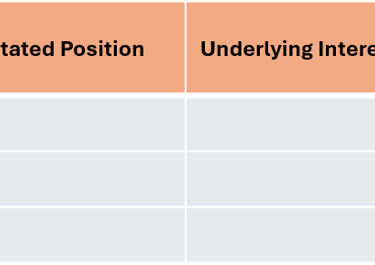
Fillable Template: Conflict Map
Guidance Notes
! Field Note — The most important distinction in conflict mapping is between positions and interests. A community that is 'against the project' is stating a position. Understanding what they fear, need, or want reveals the interests, and interests are what resolution processes can work with. Positions are often non-negotiable; interests usually are.
Adaptation Guidance
In politically sensitive conflicts, the conflict map may be sensitive information. Share only with those who need it for response design, and store securely. If the map reveals information that could put community members at risk, redact identifying details before sharing.
This website shared to the public for free courtesy of the
THE CONFLICT RESOLUTION GROUP FOUNDATION, INC.
www.coregroup.org.ph * info@coregroup.org.ph
through our SustainABILITIES Lab Project
All rights reserved. The Conflict Resolution Group Foundation 2026.


© Pixelhaze 2024. A Hostinger Website Builder Template by Pixelhaze Studio