Trust in the Leader of Collaborative Process Design and Facilitation

TOOL T-03 | Diagnostic | Module 1: Pre-Engagement Diagnostics
Conflict History Scan
WHEN TO USE Before entering any community with prior project activity, resource conflicts, or known tensions.
How to Use It
1. Before any site visit, gather secondary information: media archives, LGU records, NGO reports, and documentation of prior conflicts or projects in the area.
2. In initial conversations with trusted local informants (barangay staff, teachers, community health workers), ask: What projects have been here before? What were the outcomes? What concerns were never resolved?
3. Identify any unresolved land, livelihood, or resource conflicts that predate the current project.
4. Identify any actors or organizations that communities associate with negative project experiences.
5. Document: (a) key conflict events and outcomes, (b) promises made and not kept, (c) groups most affected, and (d) current level of community trust in outside actors.
6. Use the conflict history to brief the engagement team before any community contact.
7. Review and update as new information emerges during early engagement.
Purpose
To document prior conflicts, unresolved grievances, and reputational histories from past projects, so that new projects do not enter as if on a blank slate. Communities do not treat new projects as new if prior projects have left unresolved harm.
Field Rationale
Early engagement encountered guarded and hesitant responses. Deeper investigation revealed that prior marine-use conflicts and earlier project consultations had left community members skeptical of developer commitments. The engagement strategy did not account for this history, and months were spent overcoming distrust that could have been anticipated.

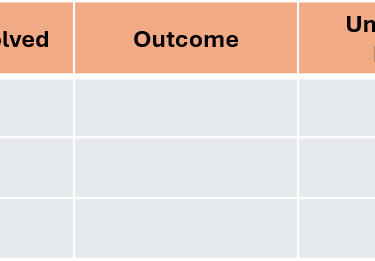
Fillable Template: Conflict History Record
Guidance Notes
! Field Note — Reputational spillover is real: communities may project the behavior of a previous developer onto a new one, even with no direct relationship. If the area has experienced broken commitments or displacement from prior projects, expect this to shape early engagement responses.
Adaptation Guidance
In areas with prior FPIC processes or ancestral domain claims, specifically ask about the quality and outcomes of those processes. A prior FPIC experienced as coercive will affect trust in any subsequent consent process.
This website shared to the public for free courtesy of the
THE CONFLICT RESOLUTION GROUP FOUNDATION, INC.
www.coregroup.org.ph * info@coregroup.org.ph
through our SustainABILITIES Lab Project
All rights reserved. The Conflict Resolution Group Foundation 2026.
© Pixelhaze 2024. A Hostinger Website Builder Template by Pixelhaze Studio