Trust in the Leader of Collaborative Process Design and Facilitation
TOOL T-02 | Mapping & Analysis | Module 1: Pre-Engagement Diagnostics
Power & Influence Analysis
WHEN TO USE After initial stakeholder mapping; before designing engagement formats or selecting channels.
How to Use It
1. Using the Stakeholder Map, identify which groups hold formal authority (LGU officials, title-holders, project proponents) and informal influence (respected elders, cooperative leaders, church figures).
2. For each high-power group, identify: (a) their interests in the project, (b) relationships with other groups, and (c) whether their presence in formal engagement is likely to inhibit others.
3. Identify groups with low power likely to defer, stay silent, or express conditional acceptance rather than genuine views.
4. Map prior negative relationships between groups, these should not be placed in joint settings without careful facilitation design.
5. Identify trusted intermediaries with credibility across groups who can help bridge power gaps.
6. Use the power map to decide which engagement formats are needed: joint meetings, separate sessions, small-group discussions, or individual consultations.
7. Document the power map and attach to the engagement plan as a design rationale.
Purpose
To map power dynamics, decision-making authority, and structural imbalances between stakeholder groups, and to use this understanding to design engagement that prevents dominant actors from silencing others. Knowing who has power is as important as knowing who is affected.
Field Rationale
Formal consultations were held with barangay officials and landowners present. Community members, particularly fisherfolk and women, reported feeling unable to speak freely in these settings. The power map was not analyzed before engagement format design, and the format reproduced existing hierarchies rather than creating conditions for honest expression.

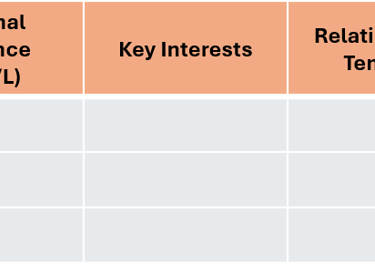
Fillable Template: Power & Influence Matrix
Guidance Notes
! Field Note — Inhibiting presence means that the inclusion of a high-power actor is likely to prevent lower-power groups from speaking honestly. When this is identified, separate sessions must be designed, not as optional add-ons but as required components of the engagement plan.
Adaptation Guidance
In some communities, the most inhibiting presence is not an official but a local power broker (a landowner with economic control over farm workers), or a cooperative leader with authority over fishers. Map informal power, not just formal roles.
This website shared to the public for free courtesy of the
THE CONFLICT RESOLUTION GROUP FOUNDATION, INC.
www.coregroup.org.ph * info@coregroup.org.ph
through our SustainABILITIES Lab Project
All rights reserved. The Conflict Resolution Group Foundation 2026.
© Pixelhaze 2024. A Hostinger Website Builder Template by Pixelhaze Studio